
Virtual Reality Solutions for Safer Immersive Training
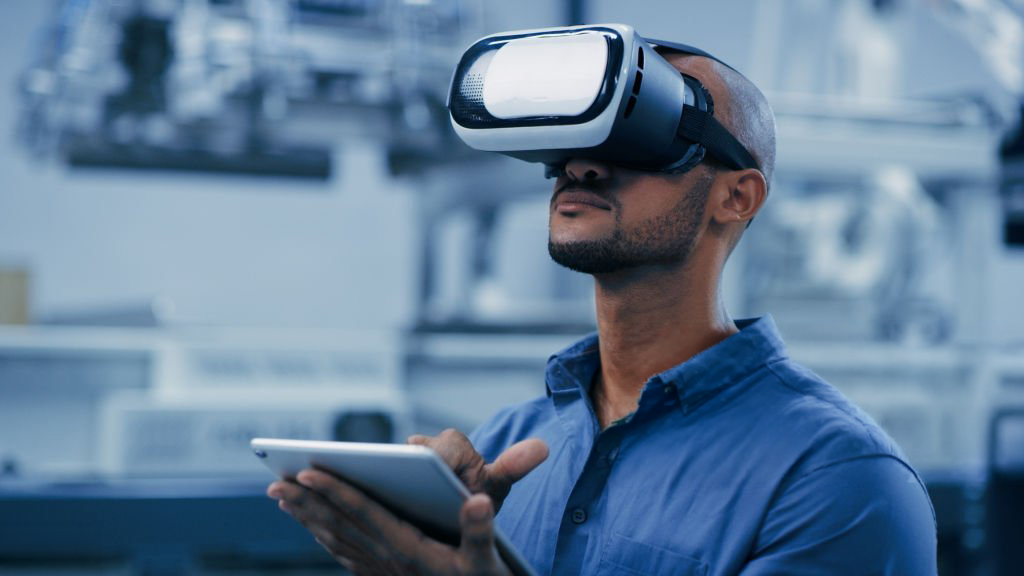
Turn complex facilities, procedures and scenarios into immersive training experiences that help your people prepare before entering the real environment.
Prepare Your Team Safely and Consistently

Train Safely
Practise high-risk procedures without the same physical exposure.

Site Familiarisation
Help employees and contractors understand the site before entering it.

Practice Procedures
Rehearse workflows and operational steps in a repeatable setting.

Simulate Risk
Prepare for scenarios that are difficult or unsafe to recreate physically.
How We Build an Industrial VR Experience
Understand
Identify the learning objective, users, environment and procedures involved.
Build
Create or adapt the digital environment, equipment and training content required.
Simulate
Develop the interactions, procedures and scenarios users need to practise.
Apply
Deliver the experience through the most suitable VR setup for the users and training environment.
Depending on the application, the underlying digital environment may be experienced through:
- HMD VR
- Desktop VR
- Wide-screen VR
- Mobile AR
Designed for Complex Industrial Environments

Energy
LNG & gas processing

Oil & gas

EPC & engineering
Petrochemicals

Power and utilities
Hydrogen
Marine

Industrial infrastructure
Delivered With Specialist Digital Twin Expertise
Ten-GB works with ASM-Tech as our trusted digital twin technology partner, combining specialist technical capability with a client-led approach to solution design and delivery.
Transform How Your Teams Prepare
The right VR solution starts with a clearly defined training need.
Determine the right immersive approach for organisation.
Clear insights. No obligation
Frequently Asked Questions on Virtual Reality
Industrial VR uses virtual reality to recreate facilities, equipment, procedures or scenarios for workplace training, familiarisation and simulation.
Unlike consumer VR, industrial VR is designed around practical operational and workforce needs.
VR can support safety training, site familiarisation, onboarding, procedural learning, equipment familiarisation and scenario simulation.
It gives users an immersive environment where they can practise without relying entirely on access to the physical facility.
Yes.
Virtual reality for safety training can help personnel practise selected procedures and high-risk scenarios in a controlled setting without the same level of physical exposure.
A digital twin is the underlying digital representation of a physical asset, facility or environment.
VR is one way of experiencing and interacting with that environment.
In short, VR is the interface. The digital twin is the environment behind it.
Not always.
Depending on the application, the same digital environment may also be experienced through desktop, wide-screen or mobile AR interfaces.
Yes.
VR training can be developed around your actual facility, equipment, procedures and training objectives so the experience reflects the environment your teams work in.